
How we Chase the Northern Lights in Iceland and Uncovered Insider Tips for Your Adventure

Updated: Aug 31, 2025
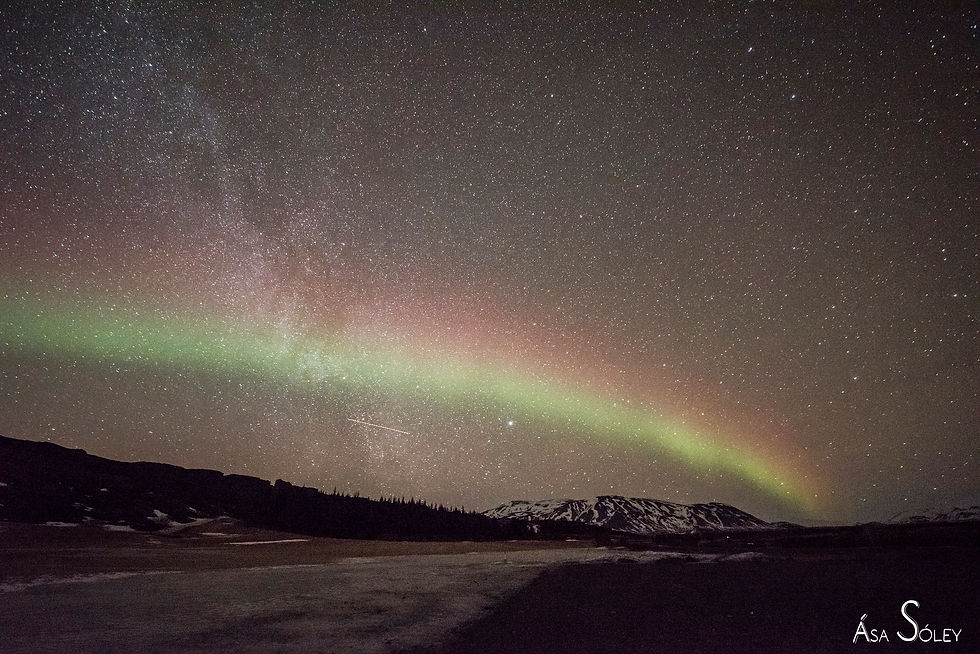
The magic of the Northern Lights captures the hearts of travelers worldwide. The Aurora Borealis creates a mesmerizing tapestry of colors that dance across Iceland's dark winter sky. Having chased this incredible phenomenon across the stunning terrain of Iceland many times, we are excited to share our journey along with valuable tips to enhance your own adventure. Whether you’re embarking on this journey for the first time or you’ve experienced the lights before, this guide provides practical advice to ensure your trip is unforgettable.

The Magic of Iceland in Winter
Iceland in winter is a breathtaking spectacle where the stark beauty of snow-covered mountains contrasts with shimmering ice formations. This scenery becomes even more enchanting when the Northern Lights illuminate the night. Spend time soaking in the natural beauty surrounding you. The frozen landscapes, including the incredible ice caves and glaciers, can take your breath away.
I vividly recall pitching my tent at a campsite overlooking the captivating landscapes. The excitement of the chase burned away the chill in the air and made the experience exhilarating.
Timing is Everything
Timing is crucial when it comes to witnessing the Northern Lights. The ideal months to see them in Iceland are end of August to middle of April, when the nights are long and dark. Only during these months, you have a chance of experiencing the lights. During the summer time, we have the midnight sun in Iceland. And with the bright nights Northern Lights viewing is unfortunately impossible.
Be sure to monitor solar activity through reliable forecast websites. Here are our favorite websites:
Increased solar activity boosts your chances of seeing the auroras. But most importantly in Iceland you need to find the gaps in the clouds!
Additionally, consider the moon phase; opting for nights around the new moon can improve visibility since less moonlight means a darker sky for enhanced aurora colors. At the same time full moon nights can be beautiful and actually make it easier to take pictures of the Northern Lights since it is less dark. You will need stronger activity though in order to be able to see them.

Find the Right Location
National Parks: Heading to Þingvellir National Park or Vatnajökull National Park provides stunning backdrops with minimal light pollution, making them prime spots for aurora sightings.
Coastal Areas: Locations like Jökulsárlón Glacier Lagoon offer striking views of the Northern Lights reflecting off the water. I found that standing anywhere near lakes as the lights dance above is one of the most captivating experiences, the reflection of the Northern Lights on lakes makes it even more incredible.
Avoiding City Lights: Staying clear of the bright lights of Reykjavik is essential. Look for campsites that are remote and dark. Check out our blog post about hidden camping sites, they usually turn out to be fantastic for aurora viewing.
Dress for the Weather
Preparing for the cold is vital for a successful aurora chase. Dressing in layers is key. Start with a thermal base layer, add an insulating layer, and finish with a waterproof outer layer. This combination will keep you warm and shield you from the wind and moisture.
Accessories like gloves, warm hats, and insulated boots are equally important. Standing outdoors in freezing temperatures for long periods makes proper footwear a must. If you have a camper with a webasto in it, it will make it a lot easier though to withstand the cold ;)
Capture the Moment
If you want to preserve the magic of the Northern Lights through photography, it’s important to know how to capture their beauty. A DSLR or mirrorless camera paired with a sturdy tripod is essential for clear shots.
Use a high ISO setting (between 800 to 3200), a wide aperture (f/2.8 or lower), and adjust your exposure time to between 5 and 30 seconds for the best results. Before heading out, we recommend to practice these settings in a less cold and dark environment, which greatly increases your success when it comes time to document the lights.

Be Patient and Stay Positive
Chasing the Northern Lights can require a good deal of patience. Weather factors like clouds or precipitation can affect your chances of a good sighting. And remember that in Iceland the weather often changes every 5 minutes. I learned to embrace the unpredictability and maintain a positive attitude.
On one cloudy night, instead of being discouraged, we joined fellow travelers around a campfire. Sharing stories and sipping hot chocolate created wonderful memories that made the trip worthwhile, reminding me that the journey is just as significant as the destination.
Takeaway for Your Adventure
Chasing the Northern Lights in Iceland is unforgettable, filled with breathtaking sights and enriching experiences. With the right timing, locations, and preparation, you can embark on your own quest to witness the mesmerizing auroras. And we are of course always there to help you with tricks and tips!
Whether you choose to camp under the stars or join an organized tour, remember to enjoy the adventure itself. Your pursuit of the Northern Lights will create memories that last a lifetime. Safe travels, and may your hunt for the auroras bring you joy and wonder!


Comments